
Contra Costa Crisis Center is your local 988 Crisis and Suicide Prevention Lifeline.
When you call 988 in Contra Costa County, you'll be connected to a trained counselor at Contra Costa Crisis Center.
Talking with someone can help save your life.
Using the 988 line is Free. When you call, text, or chat, your conversation is confidential.
We're here to listen and support you without judgment.
Real support. Real people. Here for you.
Anytime. Anywhere. 24/7/365
If you or someone else is in immediate danger, call 911.

When Should I Contact 988
You don't have to wait for a crisis.
988 is for more than a crisis. It's a free, confidential resource for anyone who needs support, information or a safe place to talk, whatever you're going through.

Feeling overwhelmed or unable to cope? Life can be hard. You don't have to face it alone.

Thoughts of suicide or self-harm? Reach out before the pain becomes too much.

Anxiety, depression, grief, or intense emotional distress? Your feelings are valid, and support is available.

Substance use concerns? Help is available without judgment.

Worried about someone else? You can get guidance on how to help.

Simply not knowing what to do next? A trained counselor can help you explore your options.
What Happens When I Contact 988
1
You'll reach a real person.
A trained crisis counselor will listen with care and without judgment.
You can share what's on your mind. Talk about what is going on at your own pace.
2
You'll get support and options.
Your counselor will work with you to explore next steps, including local resources if helpful.
3
It's free, confidential and available 24/7, Anytime. Anywhere.
You can call, text, or chat anytime. When you call 988 from Contra Costa County, you'll be connected to us.
What to Expect When Contacting 988

Calling the 988 Lifeline
Here is what you can expect when making a call to the 988 Lifeline.
Step 1 of 4: First, you'll hear a message that gives you service selection options including Veterans (Press 1), Spanish-language (Press 2), or your local 988 Lifeline contact center.
Step 2 of 4: We'll play some hold music while you are connected to a live counselor.
Step 3 of 4: A counselor will say hello and introduce themselves. Your skilled counselor will ask you if you are safe.
Step 4 of 4: After they ask about your safety, your counselor will listen to you, understand how your problem is affecting you, provide support, and share any resources that may be helpful.
Texting with the 988 Lifeline
Here is what you can expect when texting the 988 Lifeline.
Step 1 of 6: When you send a text to 988, you will be given options to connect with a live counselor from the main 988 Lifeline or our Spanish-language (text AYUDA) and information on how to text the Veterans Crisis Line at 838255.
Step 2 of 6: When you text "Next" you will be accepting our Terms of Service.
Step 3 of 6: You will then be asked to complete a brief survey to help your counselor understand how they can best support you.
Step 4 of 6: You'll receive a "Wait" message with a survey link to optional questions while we connect you to a counselor.
Step 5 of 6: Your counselor will say hello and introduce themselves. Your skilled counselor will ask if you are safe.
Step 6 of 6: After they ask about your safety, they will be calm and comforting, listen to you, and provide support. They may also share helpful resources.
Chatting with the 988 Lifeline
Here is what you can expect when starting a chat with the 988 Lifeline.
Step 1 of 5: After clicking "Chat," a new window with a few short questions will open. These questions help our live counselors understand how to best support you.
Step 2 of 5: When you click "Start a Chat", you are accepting our Terms of Service.
Step 3 of 5: You will then see a message that indicates we are connecting you to a live counselor.
Step 4 of 5: When you are connected, a counselor will say hello and introduce themselves. Your skilled counselor will ask if you are safe.
Step 5 of 5: After they ask about your safety, they will be calm and comforting, listen to you, and provide support. They may also share helpful resources.
Specialized Services
Veterans, Service Members, and their Loved Ones
Veterans, active service members, and their loved ones can reach the Veterans Crisis Line (VCL) 24/7/365 by calling 988 and pressing 1, texting 838255 or chatting.
Spanish-Speakers
988 Lifeline voice, text, and chat options are offered in Spanish. To call a Spanish-speaking counselor, dial 988 and then press 2. To text with a Spanish-speaking counselor, text AYUDA to 988. To chat with a Spanish-speaking counselor, please start a chat in Spanish.
Español (Spanish)
Los servicios de llamada, texto, y chat de 988 Lifeline se ofrecen en español. Para comunicarse con un consejero que habla español, marque 988 y luego presione 2. Para enviar un mensaje de texto a un consejero que habla español, envíe la palabra AYUDA al 988. Para chatear con un consejero que habla español, por favor inicie un chat en español.
Language Access
988 offers services in English and Spanish, with interpretation available in many other languages.
Deaf and Hard of Hearing
You can connect with a 988 counselor 24/7 by:
988 Videophone: call 988 with a VP number
Online chat: chat.988lifeline.org
988 Text: send any message to 988
For TTY users: use your preferred relay service or dial 711, then 988
Help Someone Else
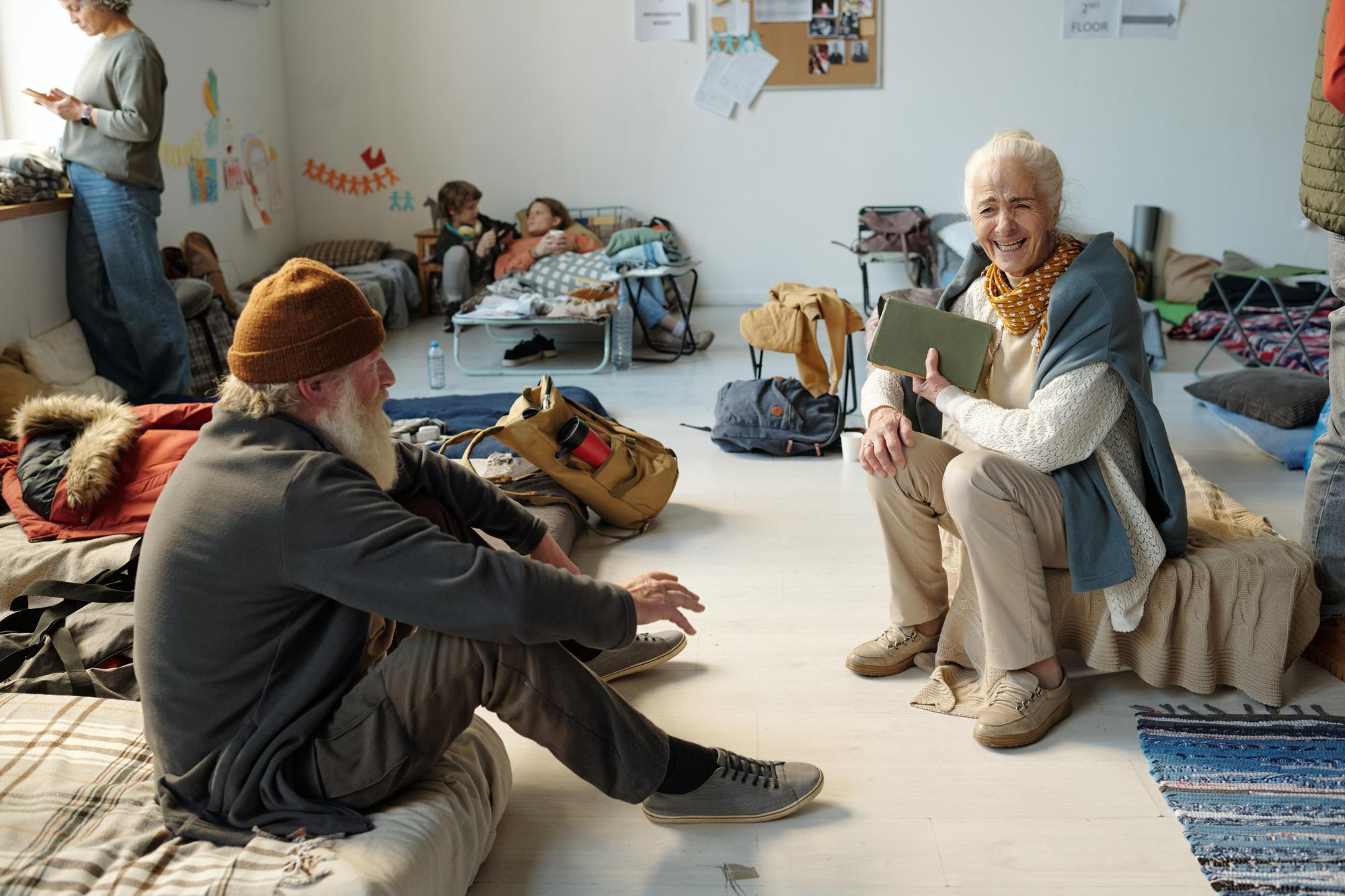
Worried About a Friend or Family Member?
You don't have to handle it alone.
If you're worried about someone, your support can make a real difference. You don't have to have all the answers. Just be there.
Notice changes. Look for signs they may be struggling, such as withdrawing, feeling hopeless, or not being themselves.
Ask Directly. It's okay to ask, "Are you thinking about suicide?" Asking does not put the idea in someone's head.
Listen without judgment. Give them space to share. Let them know you care and that they are not alone.
Stay connected. Check in, follow through, and keep showing you care.
Reach out for support together. You can call 988 with them.
If someone you know is struggling emotionally or having a hard time, you can be the difference in getting them the help they need. It's important to take care of yourself when you are supporting someone through a difficult time, as this may bring up difficult emotions. If it does, please reach out for support yourself.
Do They Need Your Help?
Some warning signs may help you determine if a loved one is at risk for suicide, especially if the behavior is new, has increased, or seems related to a painful event, loss, or change. If you or someone you know exhibits any of these, seek help by contacting the 988 Lifeline.
Warning Signs
If someone you care about is struggling, there may be warning signs. Trust your concern.
Some warning signs may help you determine if a loved one is at risk for suicide, especially if their behavior is new, has increased, or seems related to a painful event, loss, or change.
Talking about wanting to die or to kill themselves
Looking for a way to kill themselves, like searching online or buying a gun
Talking about feeling hopeless or having no reason to live
Talking about feeling trapped or in unbearable pain
Talking about being a burden to others
Increasing the use of alcohol or drugs
Acting anxious or agitated; behaving recklessly
Sleeping too little or too much
Withdrawing or isolating themselves
Showing rage or talking about seeking revenge
Extreme mood swings
If you or someone you know exhibits any of these, seek help by contacting the 988 Lifeline.
How Can You Help Them?
It can be scary when a friend or loved one is having mental health challenges or thinking about suicide. It's hard to know how a suicidal crisis feels and how to act. Contact 988 at any time for help if a friend is struggling.
Never keep it a secret if a friend tells you about a plan to hurt themselves. Contact 988 so that you can find out what resources are available in your area, or encourage your loved one to reach out. Calls are routed to your local 988 Lifeline contact center that can provide you with resources.
If the other person is unable to stay safe in the moment, then please reach out to 988 yourself. We can help you and also help you determine steps to support or assist the other person.
Do's and Don'ts
Talking with and finding help for someone that may be suicidal can be difficult. Here are some tips that may help.
Be direct. Talk openly and matter-of-factly about suicide.
Be willing to listen. Allow expressions of feelings. Accept the feelings.
Be non-judgmental. Don't debate whether suicide is right or wrong, or whether feelings are good or bad. Don't lecture on the value of life.
Get involved. Become available. Show interest and support.
Don't dare them to do it.
Don't act shocked. This will put distance between you.
Don't be sworn to secrecy. Seek support.
Offer hope that alternatives are available but do not offer glib reassurance.
Take action. Remove means, like weapons or pills.
Get help from people or agencies specializing in crisis intervention and suicide prevention.
Use the Five Action Steps
These evidence-based action steps provide a blueprint for reaching and helping someone in crisis.
1. Ask.
2. Be there.
3. Help keep them safe.
4. Help them connect.
5. Follow up.
Practice Active Listening
Hearing someone talk is different from actively listening to what that person is saying. Active listening requires concentration and understanding. Improving your listening skills is easy to do with practice and these helpful tips.
Acknowledge the Speaker: This can be as simple as a head nod or an "Uh huh." By acknowledging the speaker, you are letting them know that you are listening to what they have to say and reminding yourself to pay attention to what is being said to you.
Respond Verbally: Asking questions or making statements may help clarify what the speaker is saying. It reminds the speaker that you are listening attentively and that you are here to help them and are truly concerned. Be sure to let the speaker finish talking before asking any questions.
Summarize What You Hear: Reflecting on what the listener is saying is also a positive verbal active listening technique. By repeating, paraphrasing or even summarizing what the speaker has said shows that you are putting in effort to better understand them. Use phrases like; "what I'm hearing is…" or, "sounds like you're saying…." These tactics can also allow the speaker to hear what they are saying, which may help them find positive reinforcement.
Look the Part: Keeping eye contact, maintaining good posture, and staying focused are key components of active listening and interpersonal communication. Being distracted and unfocused gives the speaker the impression that you aren't paying attention.
When you actively listen to someone, you are letting them know that you care about what they are saying and can indicate that you are concerned for their health and safety.
Social Media Safety
Find ways to support people in crisis online, build guidelines for your digital community, and learn how to get help for someone in crisis on different social media platforms.
Safety Processes on Social Media
Support for Suicidal Individuals on Social and Digital Media (PDF)

Mobile Crisis Teams
Sometimes you need someone to come to you.
If you need in-person support, your 988 counselor can connect you with Contra Costa County's A3 Mobile Crisis Response team, who can come to you.
What is Mobile Crisis Response
Contra Costa County A3 Mobile Crisis

Ideas to Help Stay Grounded
Small steps can make a big difference.
Everyone experiences stress, difficult emotions, and challenging times. Coping skills can help you feel more grounded, manage overwhelming feelings and get through the hard moments.
- •
Take a breath. Try slow, deep breaths. Inhale for 4, hold for 4, exhale for 4. Repeat a few times.
- •
Move your body. A short walk, stretching, or any movement can help reduce stress and lift your mood.
- •
Focus on what you can control. Take one small, positive step, even if it feels hard.
- •
Stay connected. Reach out to a friend, family member, or someone you trust.
- •
Be kind to yourself. It's okay to have tough days. You're doing your best, and that's enough.
FAQs
If I call 988, will first responders (police, fire, ambulance) be dispatched?
Fewer than 2% of 988 calls require connection to emergency services like 911. The vast majority of those seeking help do not require any additional interventions. An emergency response is only needed when a suicide attempt is in progress or there is an on the spot safety issue.
Who answers the 988 Lifeline calls, chats and texts?
All our staff receive specialized training and supervision support. The training explores our own assumptions and biases to help us to serve all callers from our communities.
How is 988 different from 911
The 988 Lifeline was created for mental health related calls. 911 is for public safety emergencies (police, fire or EMS). 988 only refers to 911 in cases where emergency services are needed.
How is 988 different from 211?
988 is for anyone experiencing emotional distress, a mental health or substance use crisis, or thoughts of suicide. 211 connects you with local health and social services, such as food, housing, and financial assistance. Contra Costa Crisis Center answers both.
What information will be collected
You are not required to provide any personal data to receive 988 support. We may ask you for information to help connect you with non-988 resources.
COMMUNITY SUPPORT RESOURCES AND TRAININGS
Community education presentations:
Suicide Prevention for Community Members:
This training enhances a person's ability to identify someone in crisis, understand the warning signs, and connect them with supportive care.
Suicide Prevention for School Staff and Families:
For School Staff: We provide training on early identification, referral, and youth suicide assessment for teachers and school mental health counselors.
For Parents, Guardians, & Caregivers: This workshop helps caregivers recognize suicide warning signs, engage with their child, and learn about home safety and connecting their child to support.
Presentation on 988:
An overview of 988 services and basic crisis response skills for frontline and/or clinical staff across various agencies. Participants will learn more about the services offered through the 988 Lifeline.
To request a training or presentation for your organization, school, or community group, contact us.
211 Resource Database Training:
Participants learn about 2-1-1 services, how to search the 2-1-1 online database, and how to refer clients and community members to agency programs and services throughout Contra Costa County. We offer monthly online sessions or can schedule an online session for your site.
211 Resource Database TrainingClick here to see our schedule and register for a class.